

2022System Gap
A local gap becomes impossible to ignore
After a heated public space was closed to people seeking warmth, BuildX opened part of its Port Hope shop as a temporary overnight warming space.
About IHARC
The Integrated Homelessness & Addictions Response Centre exists because people in Northumberland County were falling through cracks that were not theoretical. They were cold. They were outside. They were in crisis. Too often, the existing system had no fast, practical answer.
What began as a local business opening its doors became a street-level response organization focused on homelessness, addiction, crisis support, and system navigation.
Before IHARC
Before IHARC, there was BuildX, a construction company in Port Hope. The BuildX shop sat on Hamilton Road, across from the humane society.
That is where Buddy first became part of the story. After spending years without a permanent home, Buddy began coming to the office a few days a week, then became a full-time foster, and was officially adopted on Christmas Day 2022.
Around the same time, people experiencing homelessness were losing access to one of the few warm places they had been using to survive. In response, BuildX opened part of its shop as a temporary overnight warming space.
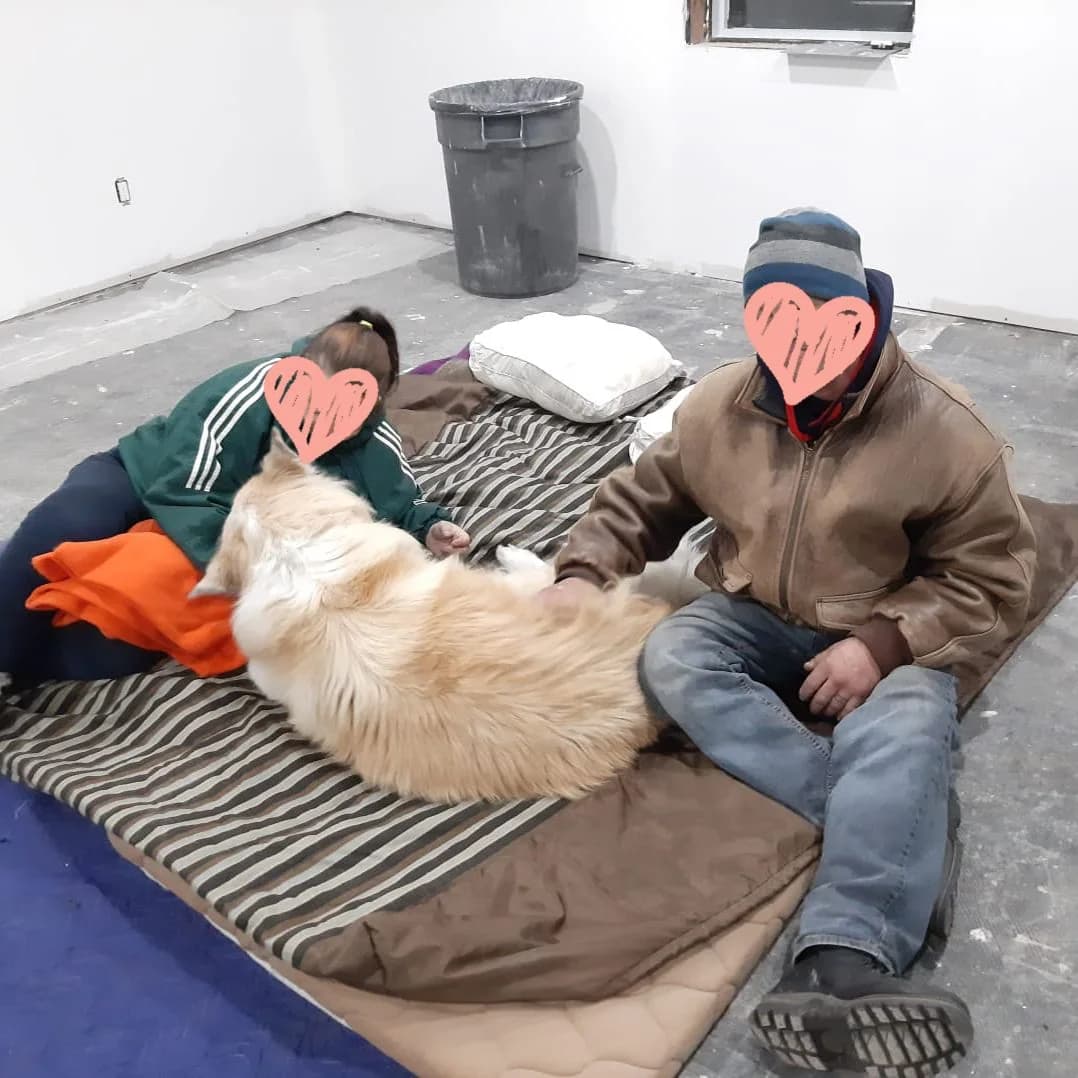
The warming space at BuildX
Buddy with people using the temporary warming space inside the shop.
How IHARC began
After a heated public space was closed to people seeking warmth, BuildX opened part of its Port Hope shop as a temporary overnight warming space.
Buddy, a rescue dog who had spent years without a permanent home, began coming to the BuildX shop. What started as a few days out of the shelter became full-time fostering.
Buddy was officially adopted on Christmas Day 2022. His story became part of IHARC’s story: a dog who had experienced homelessness now helping connect with people living through homelessness, trauma, crisis, and isolation.
The temporary warming space was shut down because the building was not zoned for overnight sleeping. The issue was not whether people needed warmth. The issue was that the available solution did not fit the existing rules.
What started as a practical response through a construction company became a nonprofit initiative focused on community response, homelessness, and outreach.
A decommissioned transit bus was purchased as a mobile warming and outreach concept. If a fixed building could be blocked by zoning, a mobile response might be able to reach people where they were.
As the work grew, it became clear this was no longer a side project. BuildX Community Response Team became the foundation for what is now known publicly as the Integrated Homelessness & Addictions Response Centre.
IHARC now focuses on outreach, system navigation, crisis support, practical help, and coordination for people experiencing homelessness, addiction, isolation, and systemic barriers.
Why the gaps mattered
The bus, the shop, and the early warming-space response were never the final answer. They showed the need for something more durable: street-level support for people who do not fit neatly into existing systems.
“When systems do not connect, people fall through.”
What IHARC does today
IHARC’s work is difficult to reduce to a neat list because street outreach is unpredictable by nature.
Some days, the work is helping someone access housing, treatment, healthcare, income support, identification, food, transportation, or safety planning.
Some days, it is supporting someone in crisis, checking on someone sleeping outside, or helping a family, service provider, or community member understand what options actually exist.
The common thread is simple: IHARC meets people where they are and helps them move toward the next workable step.
We meet people where they are, not where a system expects them to be. Outreach may happen outside, in public spaces, during a crisis, or wherever support is needed.
We help people through moments of instability, fear, escalation, or disconnection, while working to reduce avoidable harm and connect them with appropriate supports.
We help people and families understand what options exist, what doors to try, and what steps may actually move things forward.
When someone is worried about a person who may be outside, isolated, or at risk, IHARC can help assess the situation and connect them with support when appropriate.
The work may involve food, clothing, transportation coordination, phone access, service referrals, follow-up, or simply staying with someone long enough to figure out the next step.
When appropriate, IHARC works with service providers, community partners, and public systems to reduce duplication, close gaps, and support better outcomes.
Clear boundaries
For immediate danger, fire, violence, urgent medical help, or a suspected overdose, call 911.
For non-emergency support, use IHARC’s Get Help or Report a Concern pathways.
The Buddy Bus
The Buddy Bus was an early attempt to answer a practical question: how do you bring warmth, outreach, and support to people when fixed spaces are limited by rules, funding, zoning, or availability?
The bus faced real challenges and was eventually put on hold, with funding being one of the biggest barriers. But its role in IHARC’s story still matters.
It showed what IHARC would become: mobile, practical, low-barrier, and unwilling to accept that “there is nowhere for people to go” is a good enough answer.
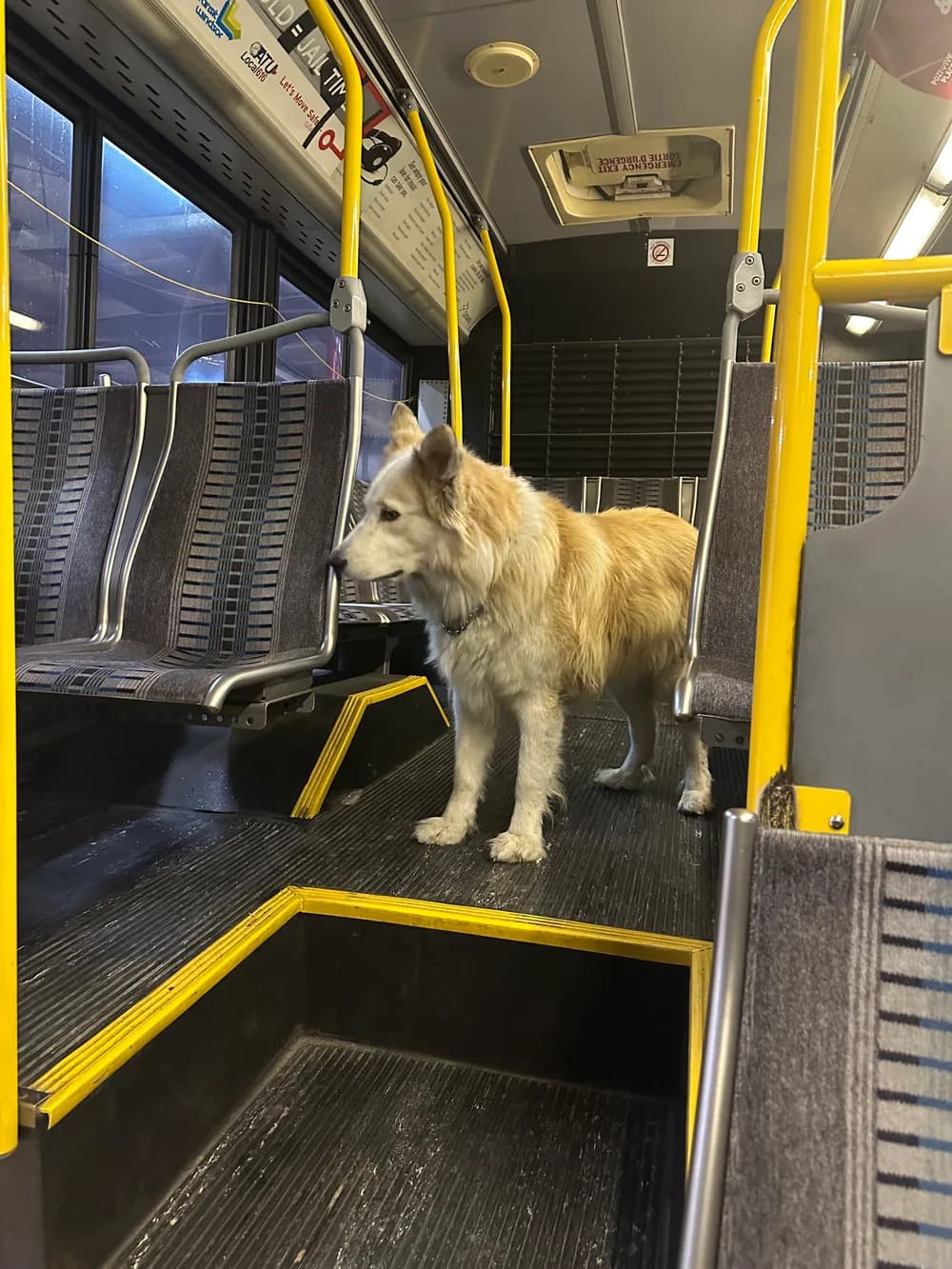
Inside the Buddy Bus
Buddy inside the early mobile response concept.
Current status
The Buddy Bus is part of IHARC’s origin story. This page does not present it as an active service.
Take action
IHARC exists because people in our community need practical support before a situation becomes worse. Whether you need help, are worried about someone, want to partner, or want to support the work, there is a next step.